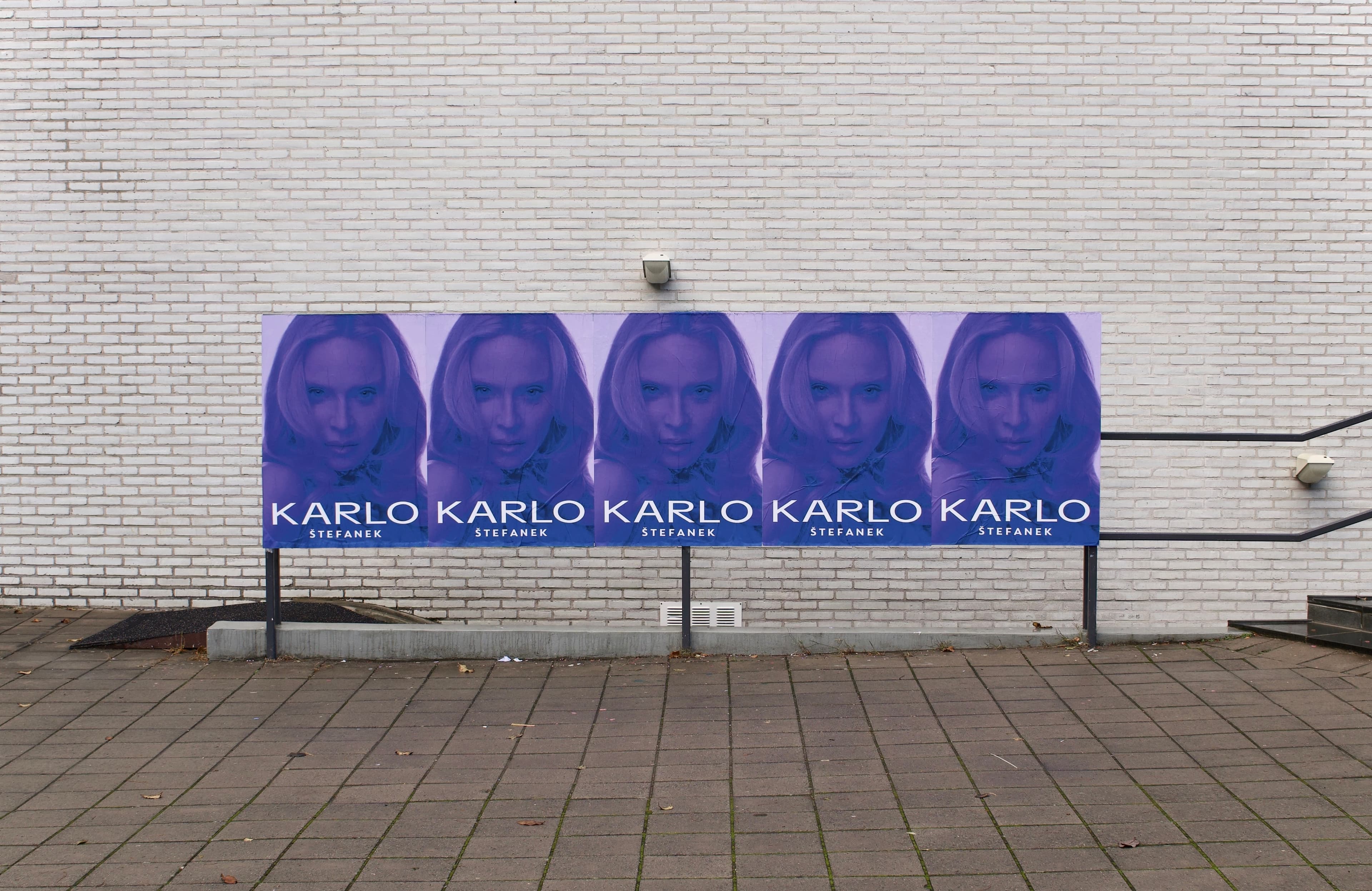
The KIKO Show
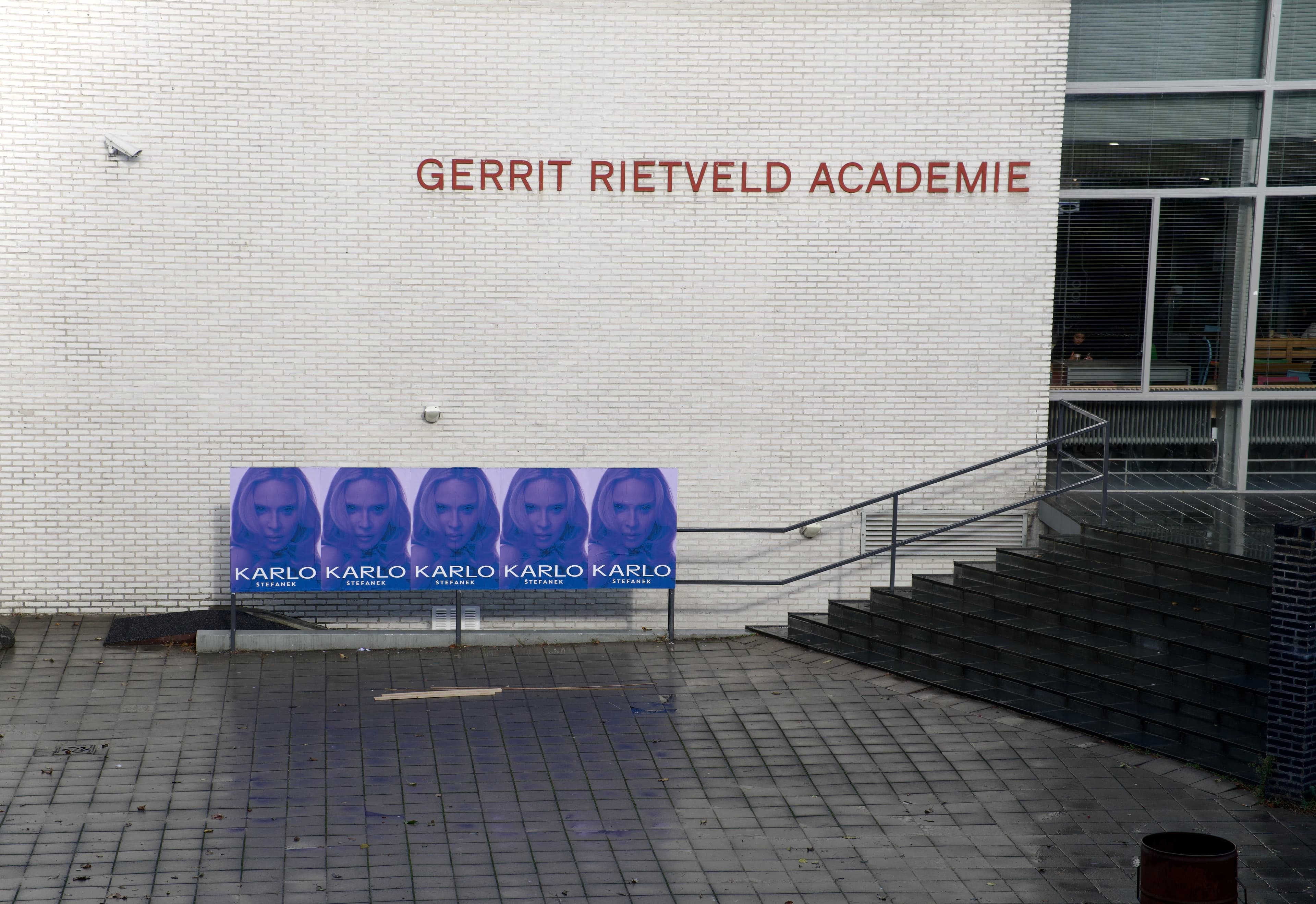
In The KIKO Show, there is not one advertisement but an advertisement inside another advertisement, perhaps several advertisements occupying one surface at the same time; an advertisement for the KIKO Milano makeup, for its brick-and-mortar, for the 2005 album, for the 2026 album, for Madonna (the brand), and, almost unnecessarily, for Karlo Štefanek himself.
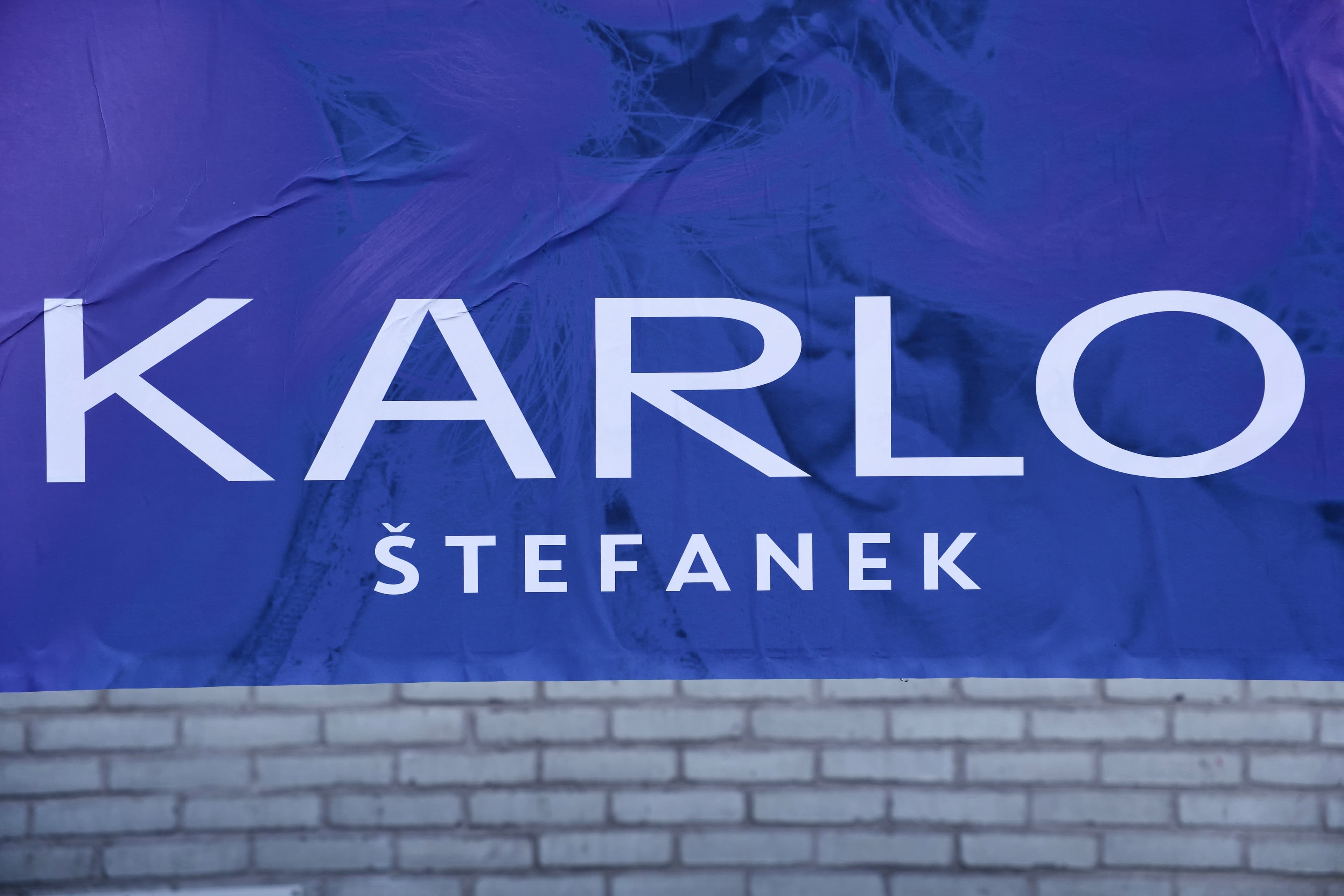
The name sits beneath a face that cannot reasonably belong to Karlo Štefanek, and yet the advertisement allows it; a face is attached to a feeling, a feeling to a product, a product to a name. Here, however, this system of attachment is interrupted by another attachment, one which is more personal and perhaps more embarrassing: that of the fag and his Mother. The relationship between the homosexual and the diva is of course not only a relationship of taste. Taste would be too simple. The body, the ageing body, the excessive body, the body which continues to insist on being visible, all become part of the structure that is built and related to. Madonna does not simply represent a possible form of liberation, but becomes attached to the body that watches her. The fan enters into a strange form of non-sovereignty. He gives something of himself over to the image in order to receive something from it. Štefanek's name appears underneath as another contradiction. A young Eastern European artist, still operating in relative anonymity, signs the body of one of the most recognisable Western pop stars alive. The signature does not make him Madonna, and it does not make Madonna him. Fame and anonymity are placed next to one another without resolving themselves. One could perhaps describe this as a form of proximity: the nobody places himself so closely beside the celebrity that the advertisement begins to confuse which one it is advertising.