Temporary department
Artificial Times
Sound and the Algorithm
Artificial Times is a two-year Master’s programme (MA) that invites students to critically engage with music, sound and artificial intelligence. The programme offers students an environment to build artistic practices that are grounded in research, and address the performance and dispersion of immaterial works of art. We welcome students who engage in embodied, performative modes of research and who have a critical interest in the philosophical and ideological questions obscured by technological development.
During their studies, students will develop individual artistic projects and pursue long-term research interests, guided by an interdisciplinary team of tutors. Students will use techniques of code and composition to intervene in specific political and philosophical conflicts, thereby challenging the role of AI and sound as mediums for art.
Seminars, classes and studio sessions take place throughout the year and introduce students to historical and contemporary debates and practices that relate to AI, music and sound. In group critiques and listening sessions, students will discuss their work and gather feedback. Students will also collaborate on several occasions, among them a symposium-exhibition at the end of each year. Students work towards a graduation exhibition where they present their individual work.
Artificial Times Graduation 2025
Research Focus
The programme challenges the preconceptions that sound unfolds in time and that AI shortens time by automating tasks. Instead, students are invited to explore how sound and AI can be thought and performed not in linear time - but as profoundly mutable phenomena that emerge from and shape social and material relations in different contemporaneities. During the programme, students thus formulate and advance research projects that investigate how music and AI come to matter, and for whom.
For example, students are invited to dismantle the suggestion that artificial intelligence is a universal, benevolent and creative technology. By understanding AI as a function of hegemonic projects, students will investigate the coloniality of the algorithm, and question notions such as artificiality or intelligence. Students are also invited to work with sound, music, and performance in ways that create dynamic sites of resistance. By asking how music can become critical of its own form, students will address questions of performativity and ask how listening can create site and agency.
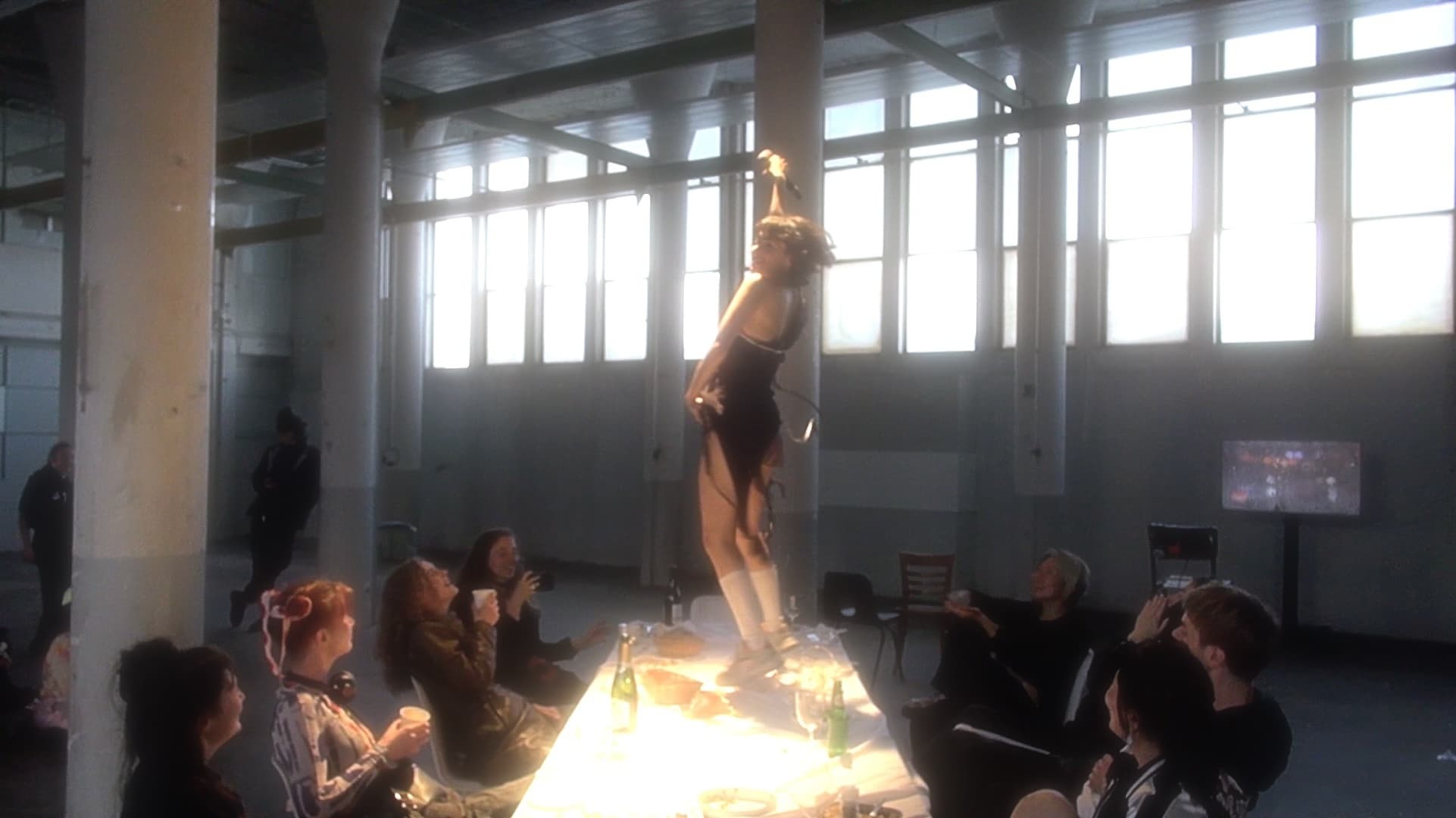
Asoş Masa, Aslı Nur Mahmutoğlu, 2024.
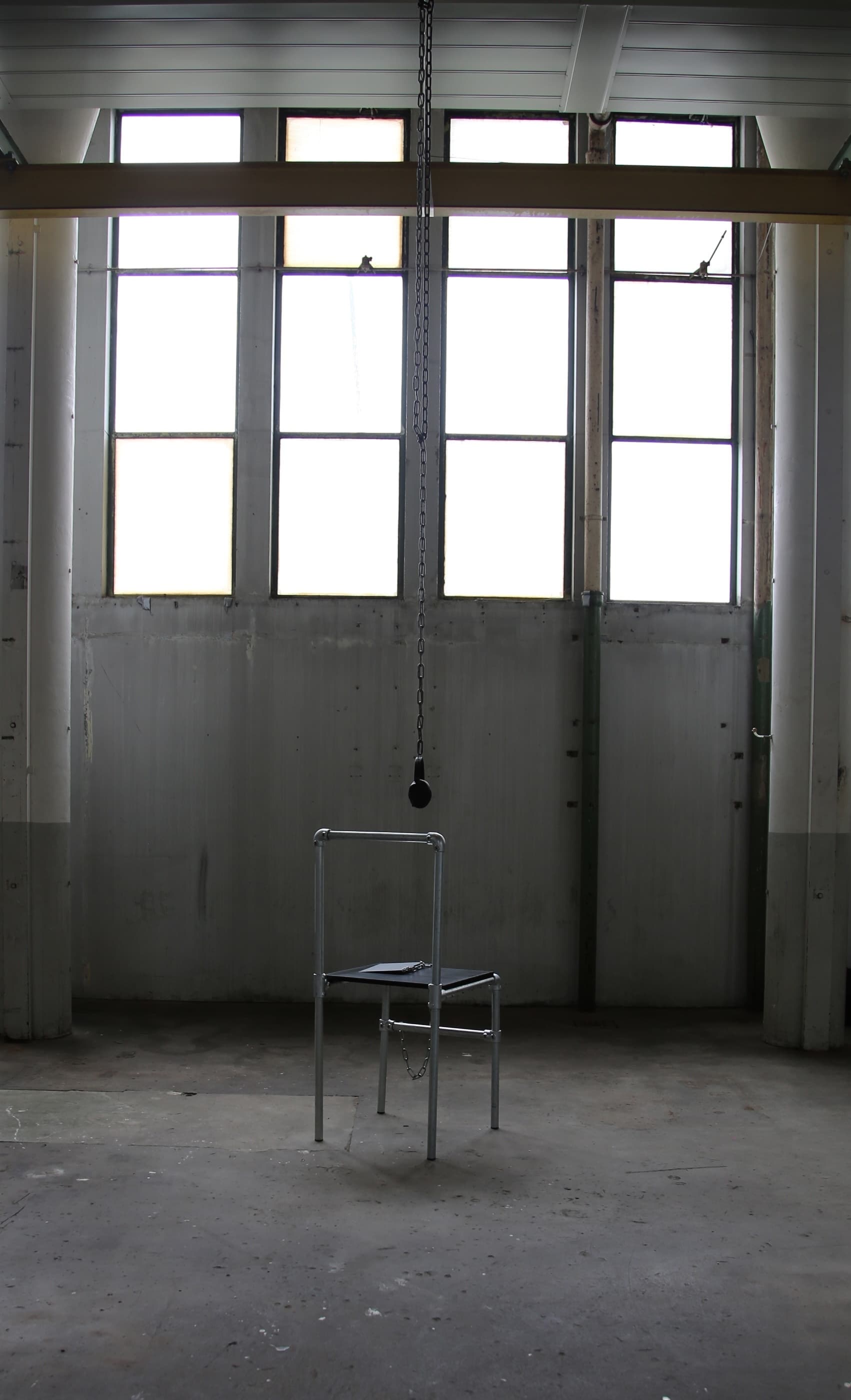
Excess, Charlène Dannancier, 2024.
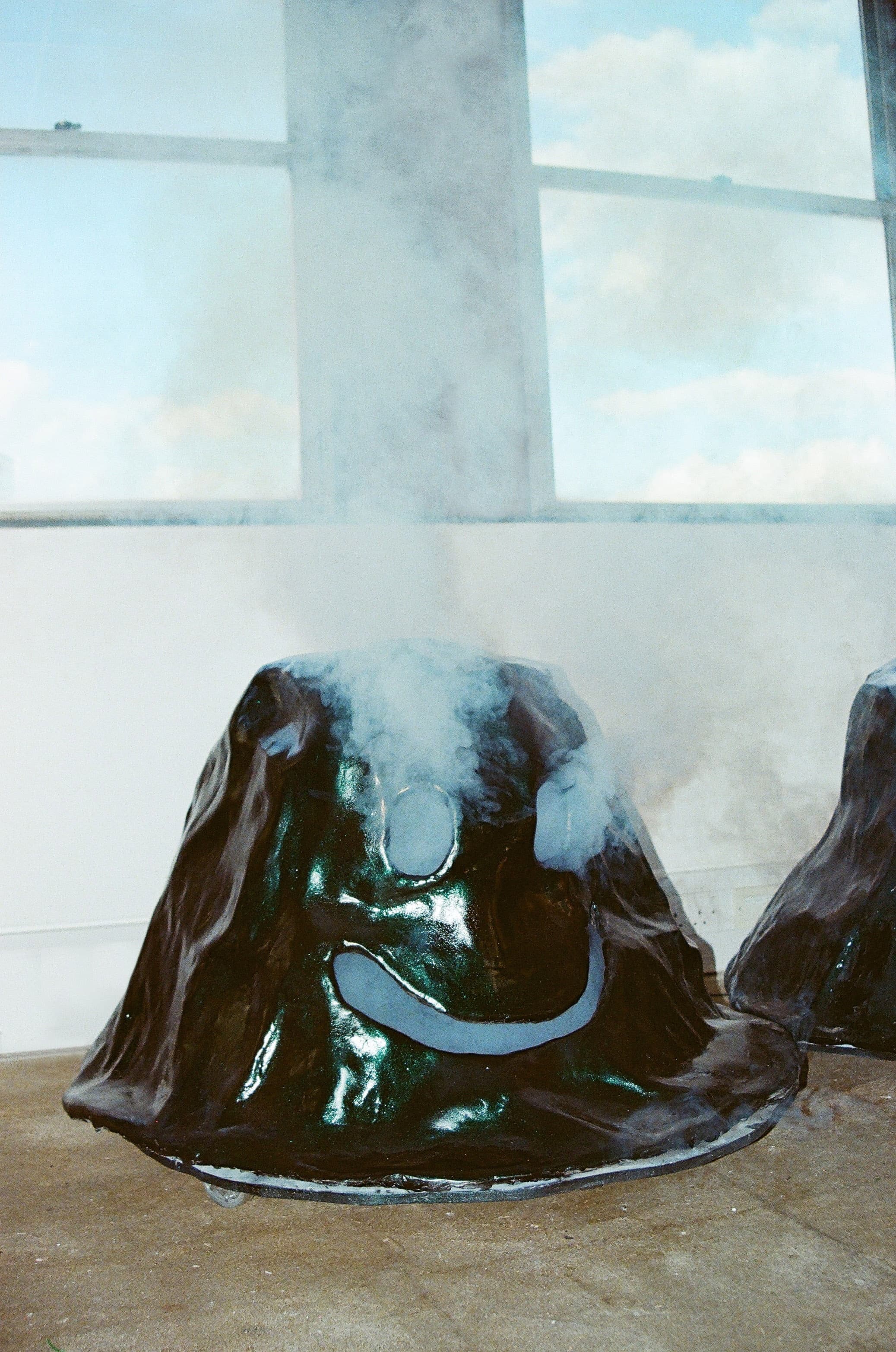
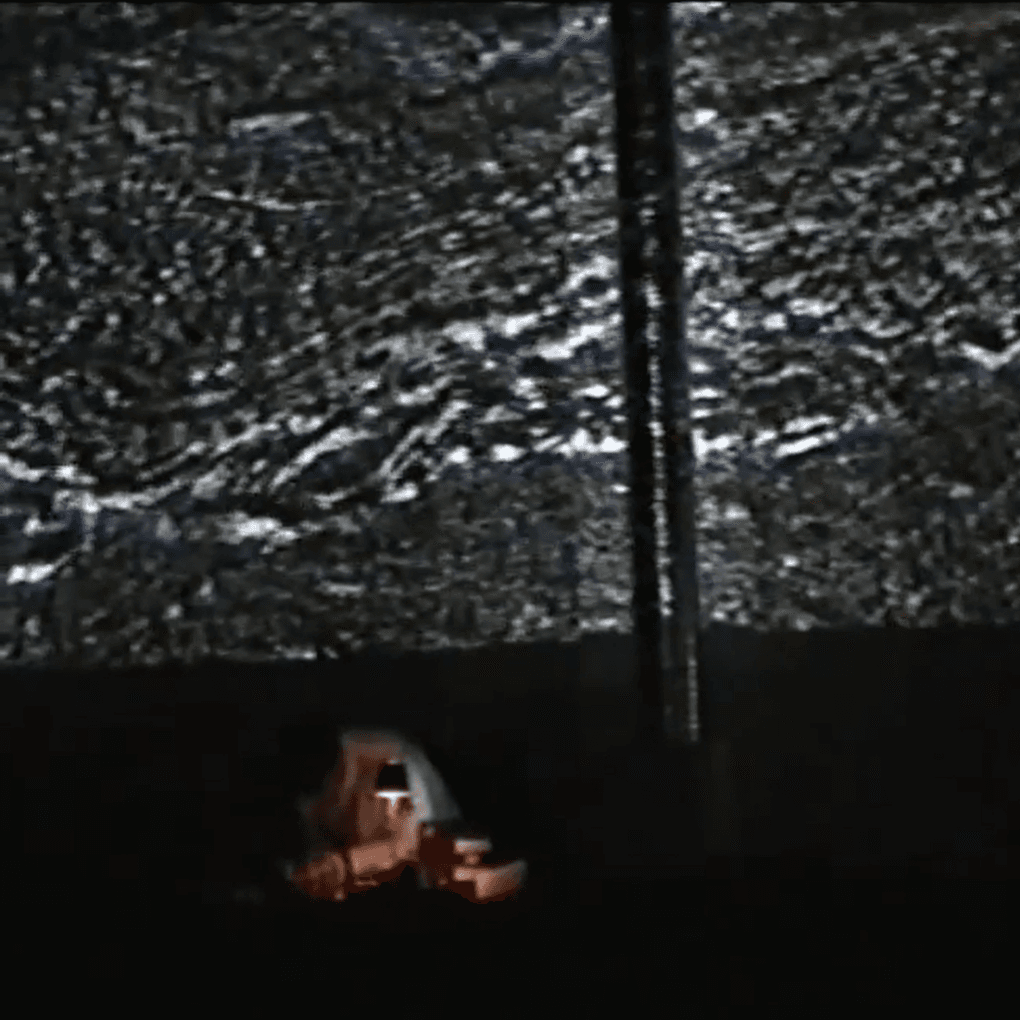
Hot Dark World, Leïla Arenou, 2022.
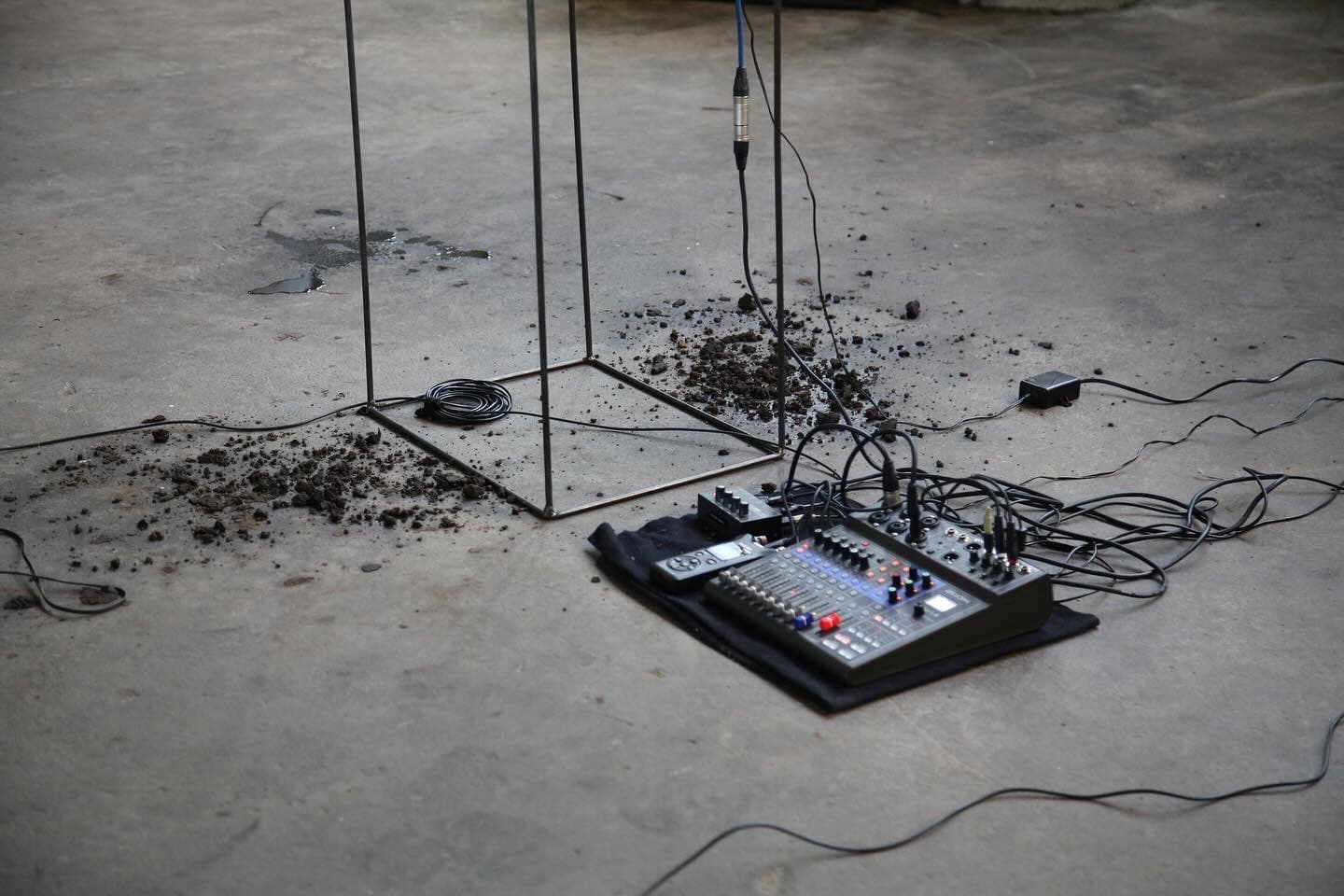
Soil Songs, Nadoe Na, 2024.
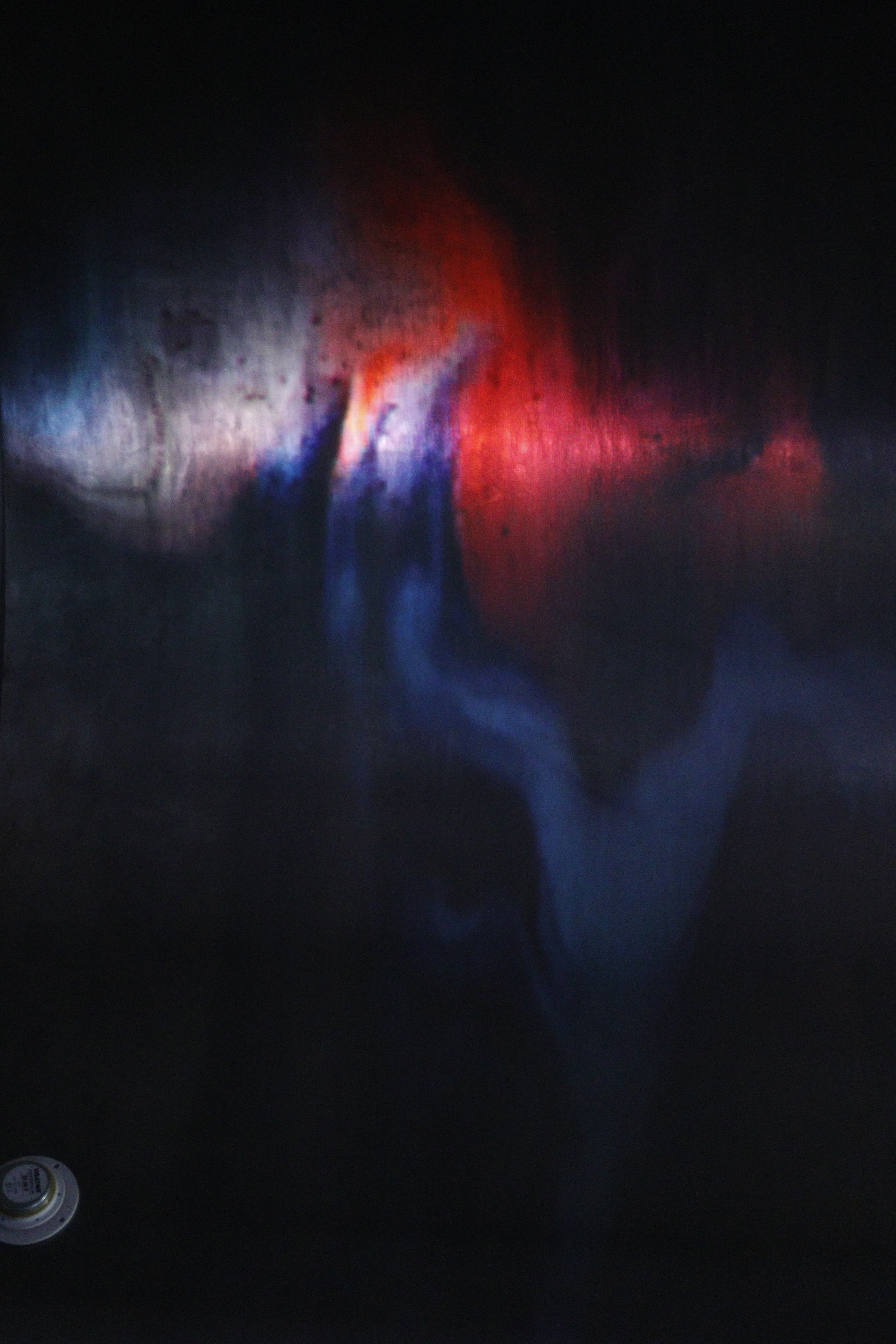
Untitled, Miguel Ribiero, 2024.
Student Profile
Artificial Times welcomes applicants who engage with sound, music or AI from a theoretical and applied perspective. The programme offers space for applicants who are artists, performers, musicians, writers, curators, organisers, and researchers. We welcome applicants who want to deepen their practice by conducting individual research in a multidisciplinary environment that requires working highly autonomously, while also being involved in collective processes. The practice of applicants should not be solely theoretical, as students are expected to present a body of art works prior to graduation.
Previous experience in working with music, sound or AI is beneficial, but applicants do not need to have experience in all fields of study. We also welcome students who have focused solely on music or AI. However, students must be ready to thoroughly engage with other fields, to temporarily abandon their medium, and to support fellow students in developing their respective practices.
Structure
The Artificial Times programme consists of individual supervision, seminars, thesis writing, listening sessions, field trips and group critiques. Students are supervised by an interdisciplinary team of tutors, including researcher Flavia Dzodan and artist Femke Herregraven. On a monthly basis, there are guest talks by artists and researchers. At the end of the first year, students present their work at an exhibition and research symposium. Students are writing a thesis and are working towards a graduation exhibition in the second year.
Classes are scheduled on two weekdays. Next to that, students are required to work independently on coursework, individual projects and group engagements. Students can make use of the workshops and facilities such as the academy’s sound studio and Medialab.
Artificial Times presentation at Open Sandberg 2023
Archive
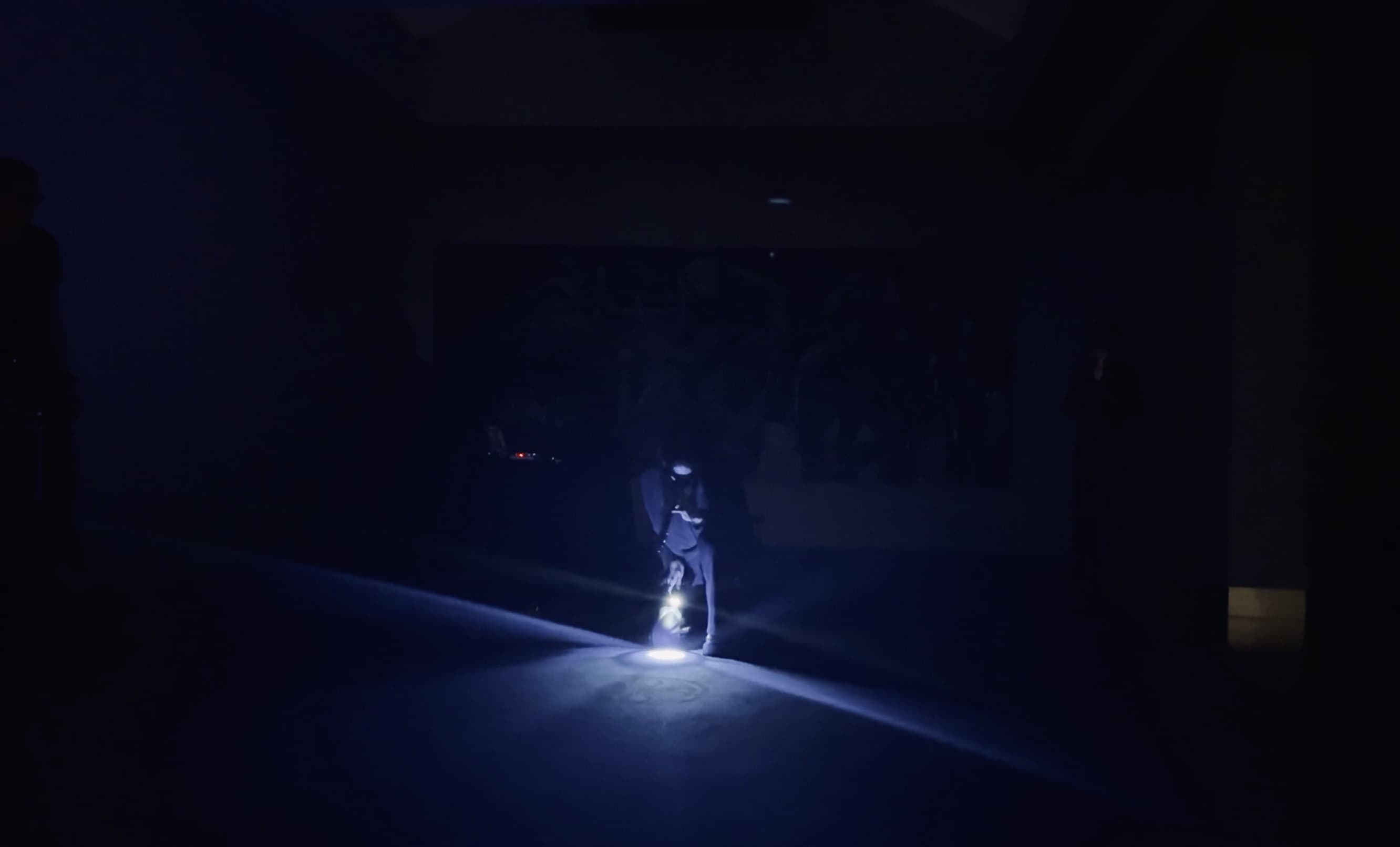
Live performance
Charlène Dannancier
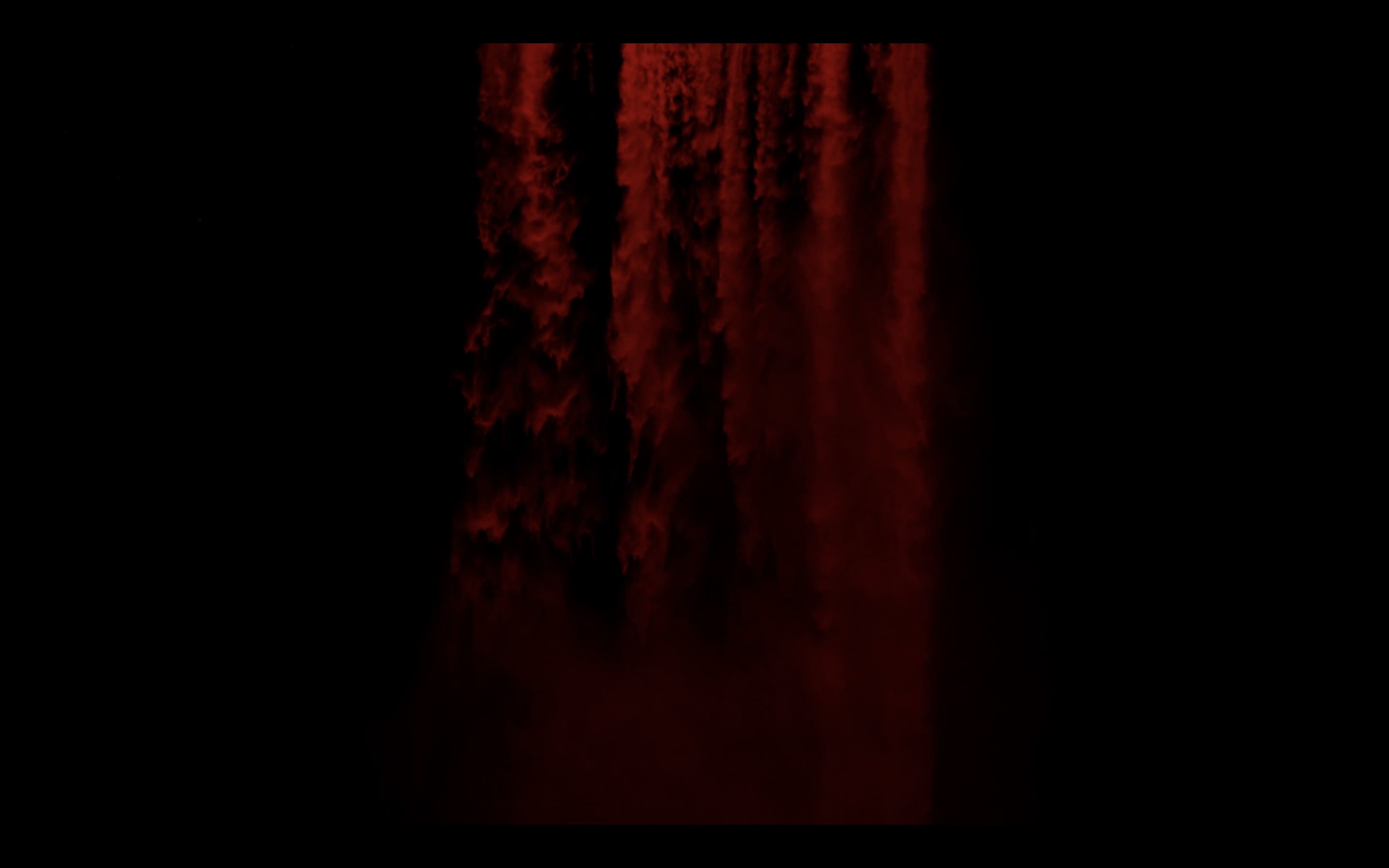
ORGANS
Charlène Dannancier
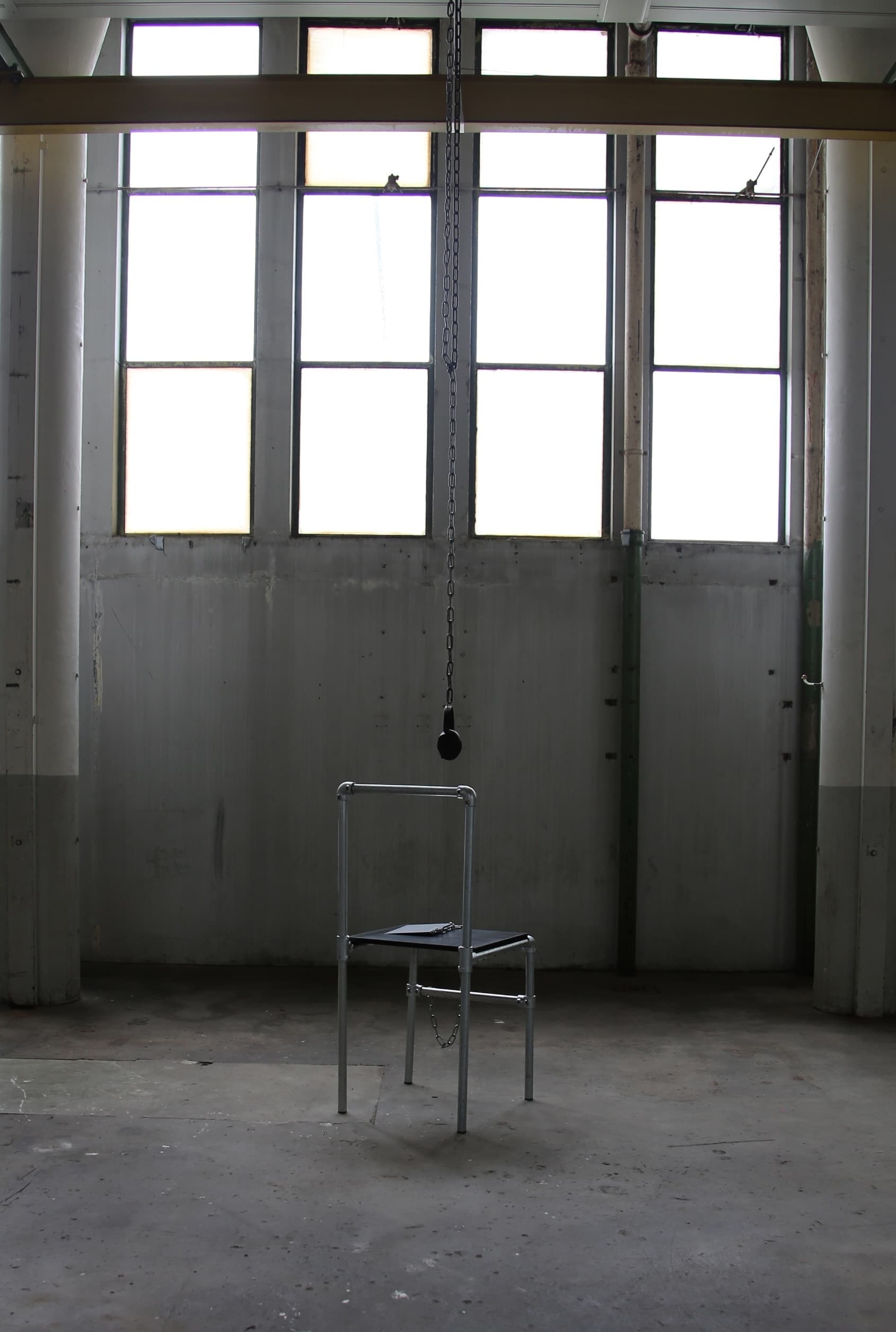
Excess
Charlène Dannancier
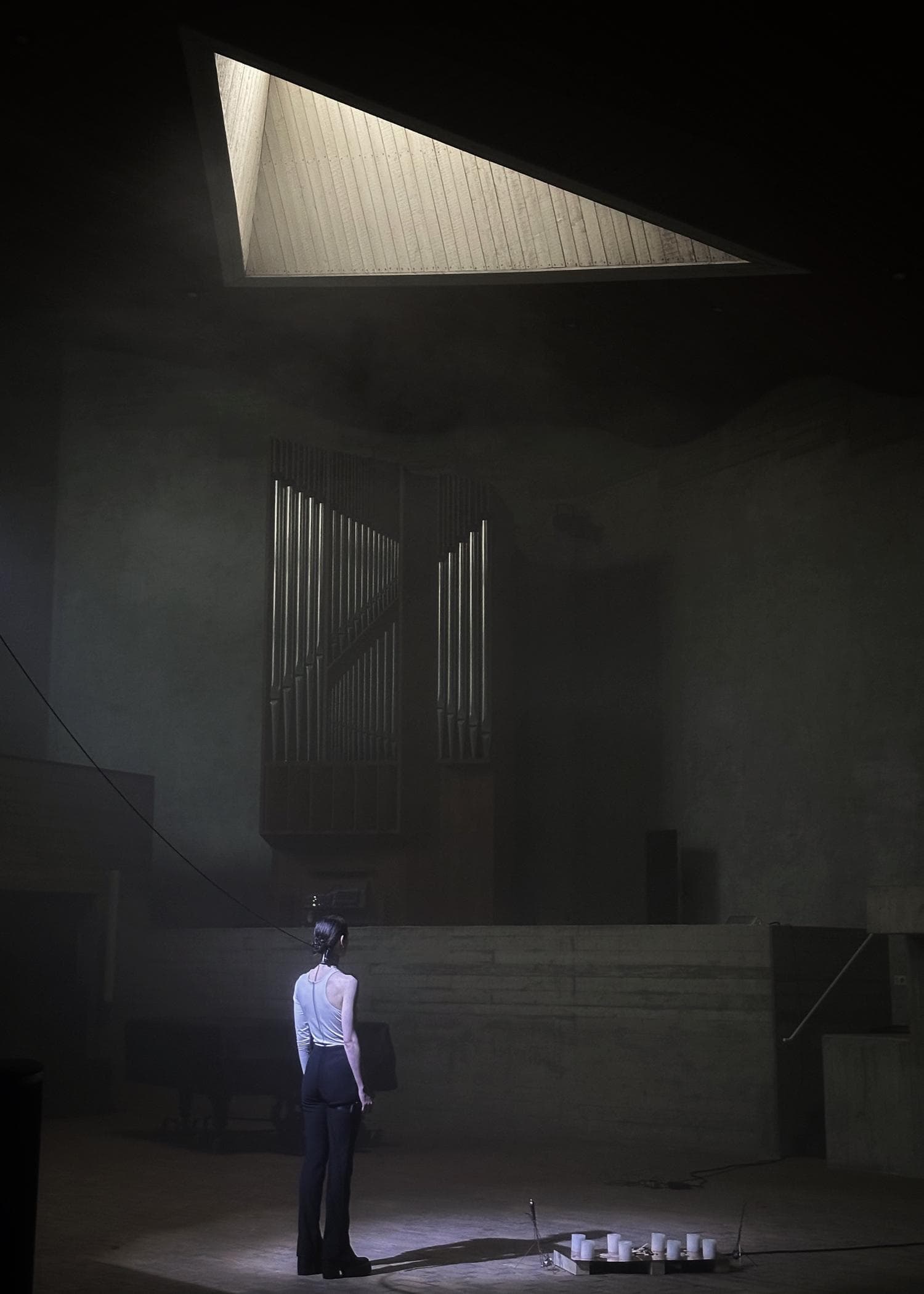
Someone Could Actually Die Here Tonight
Charlène Dannancier
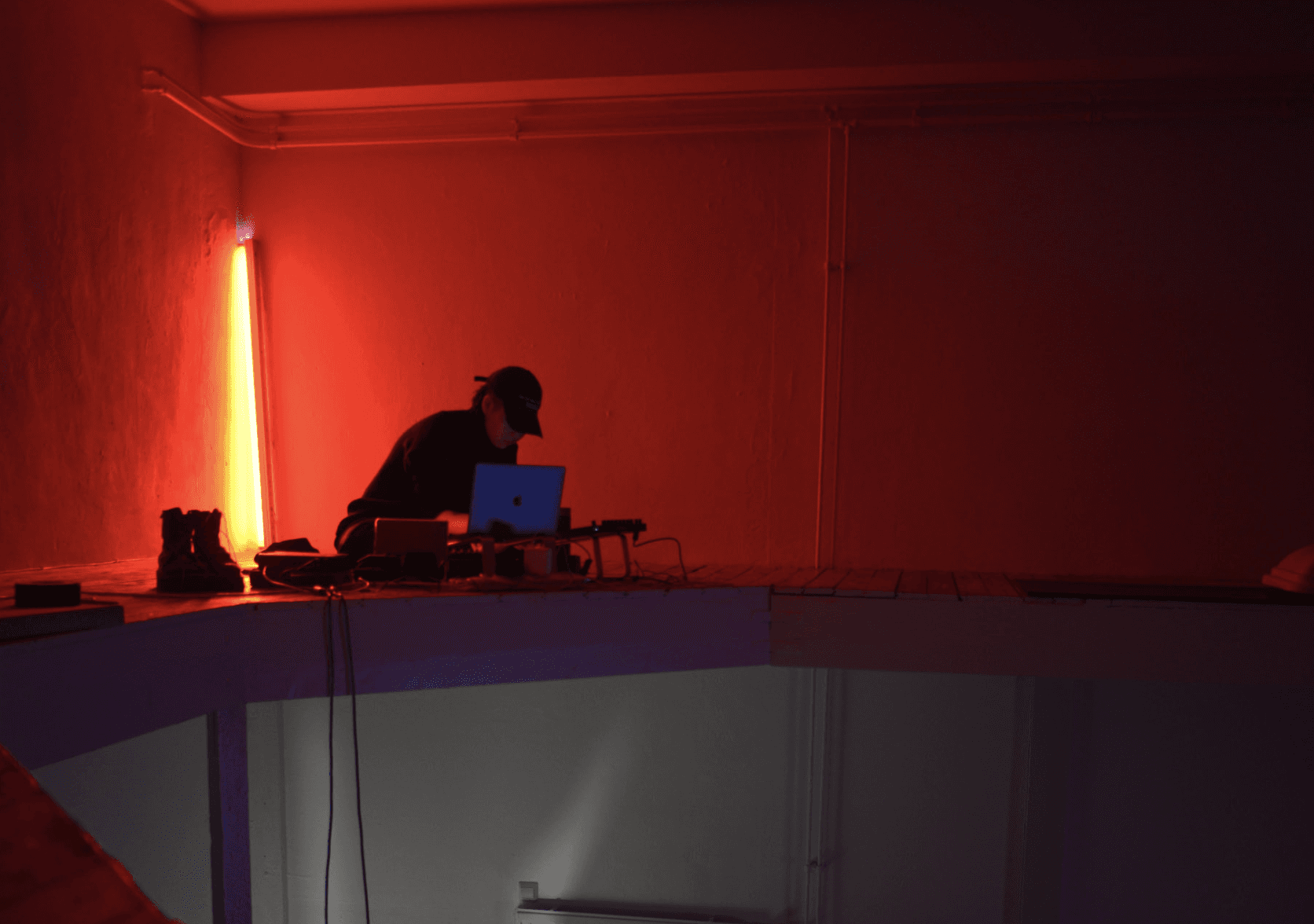
Come Hell and High Water
Nadoe
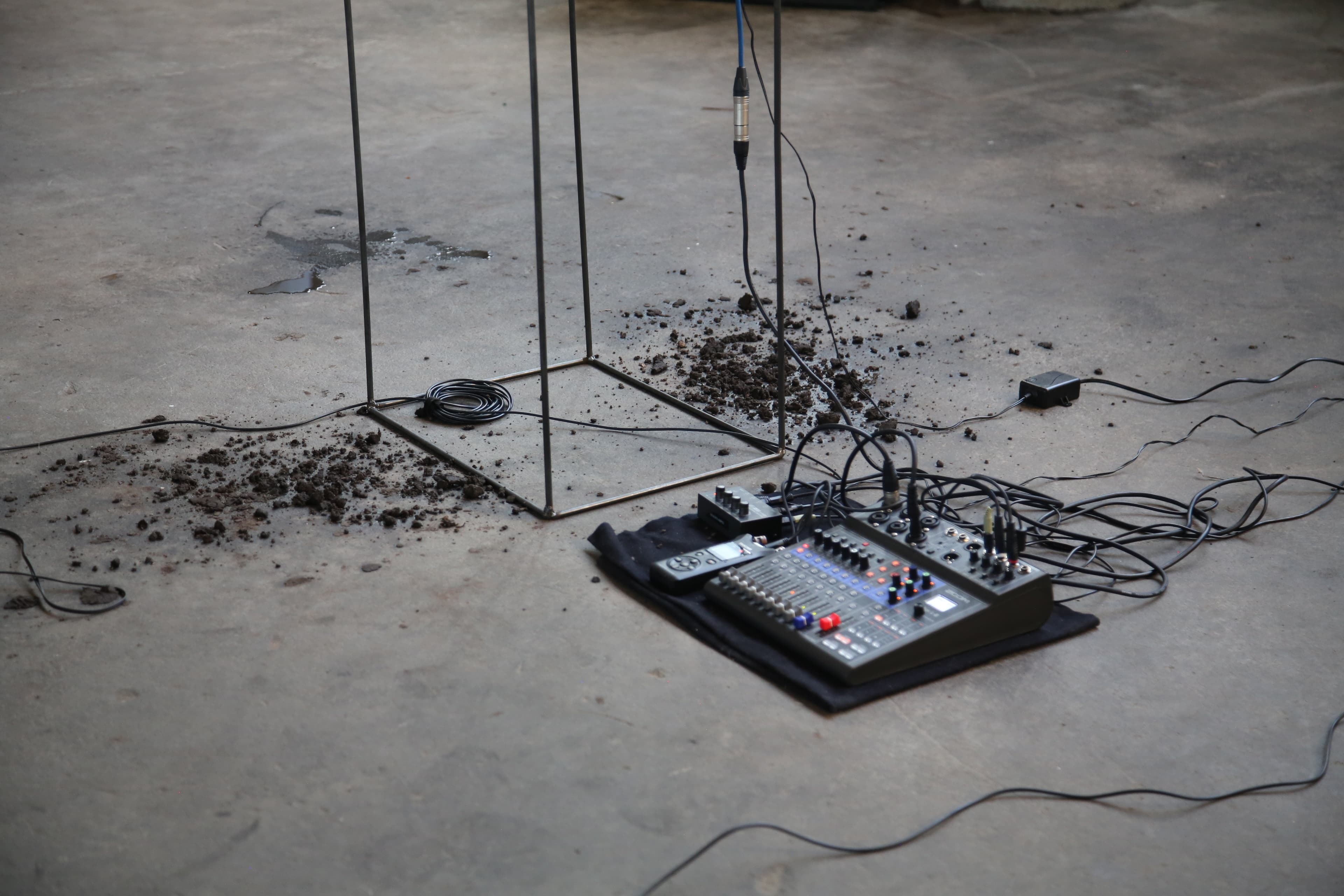
Soil songs
Nadoe
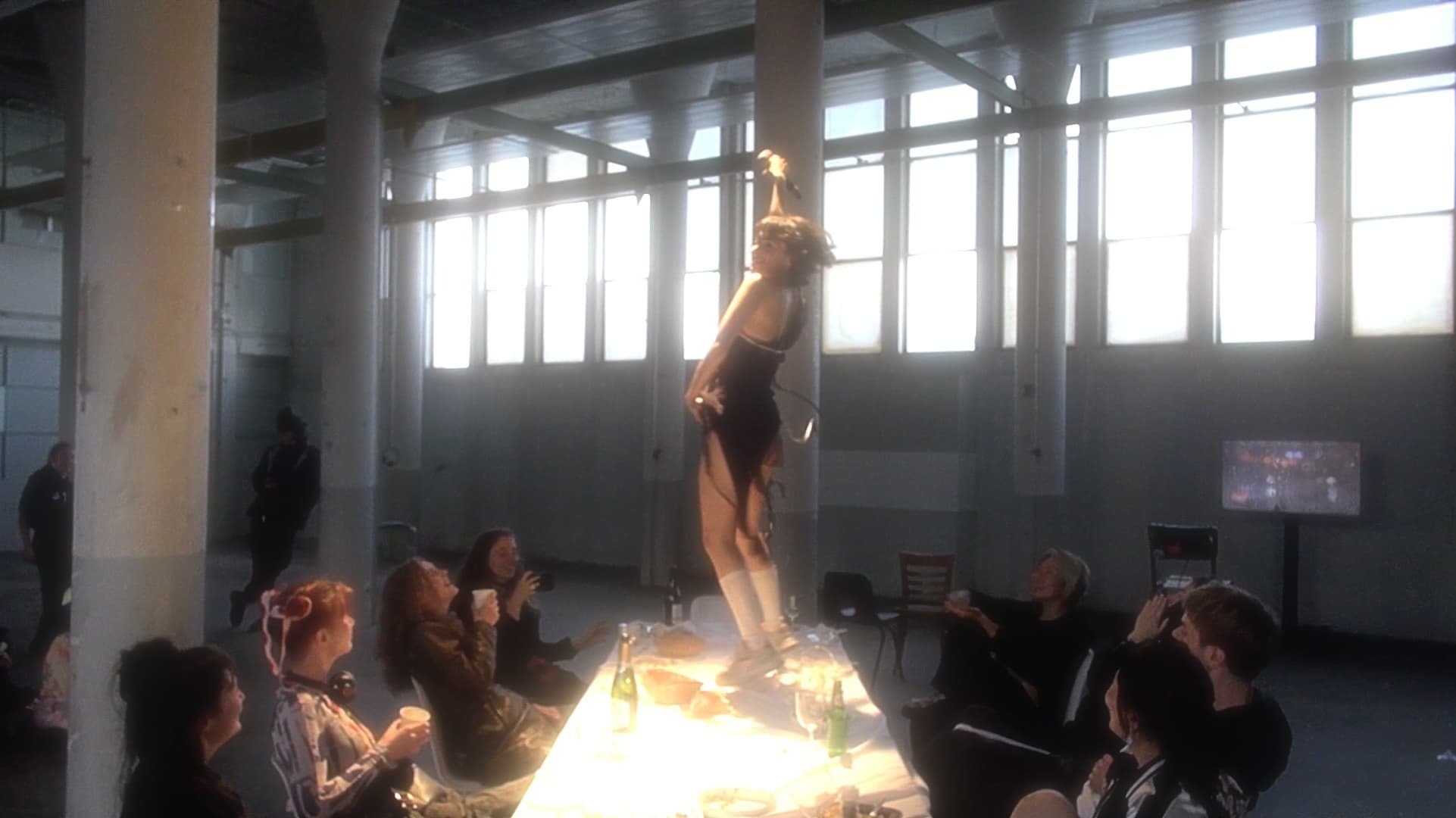
Masada Türkçe Pop @Het Hem, Artificial Times, It's Not That Far
Aslı Nur Mahmutoğlu
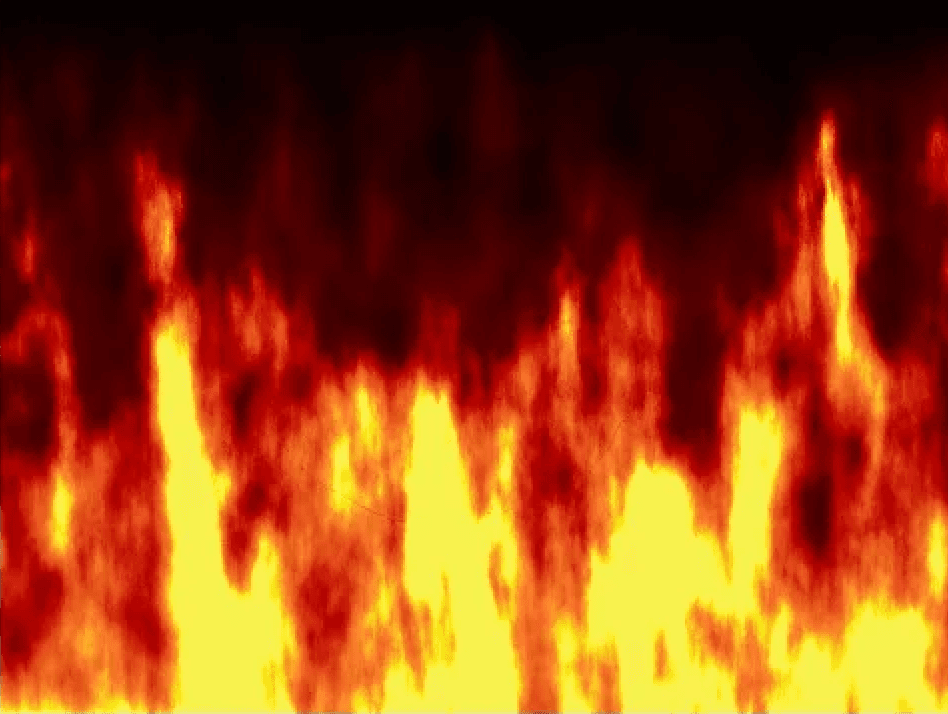
the greatest midterm ever
Aslı Nur Mahmutoğlu
My body no longer has the shining skin I had when I was the shape of a human being
Sara PEZZOLESI
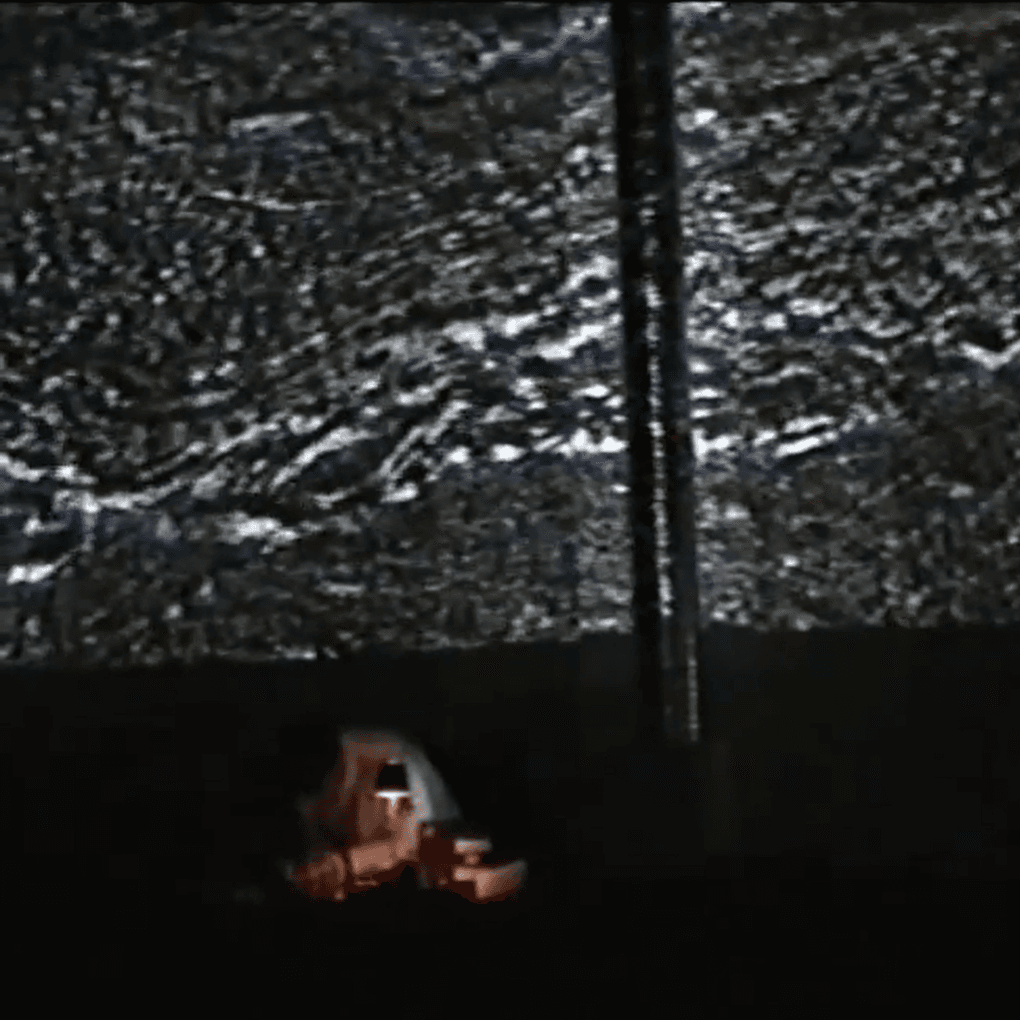
Live performance @Daste Bergamo
Gustavo Cambareri
MONDO DEI BAMBINI
Gustavo Cambareri
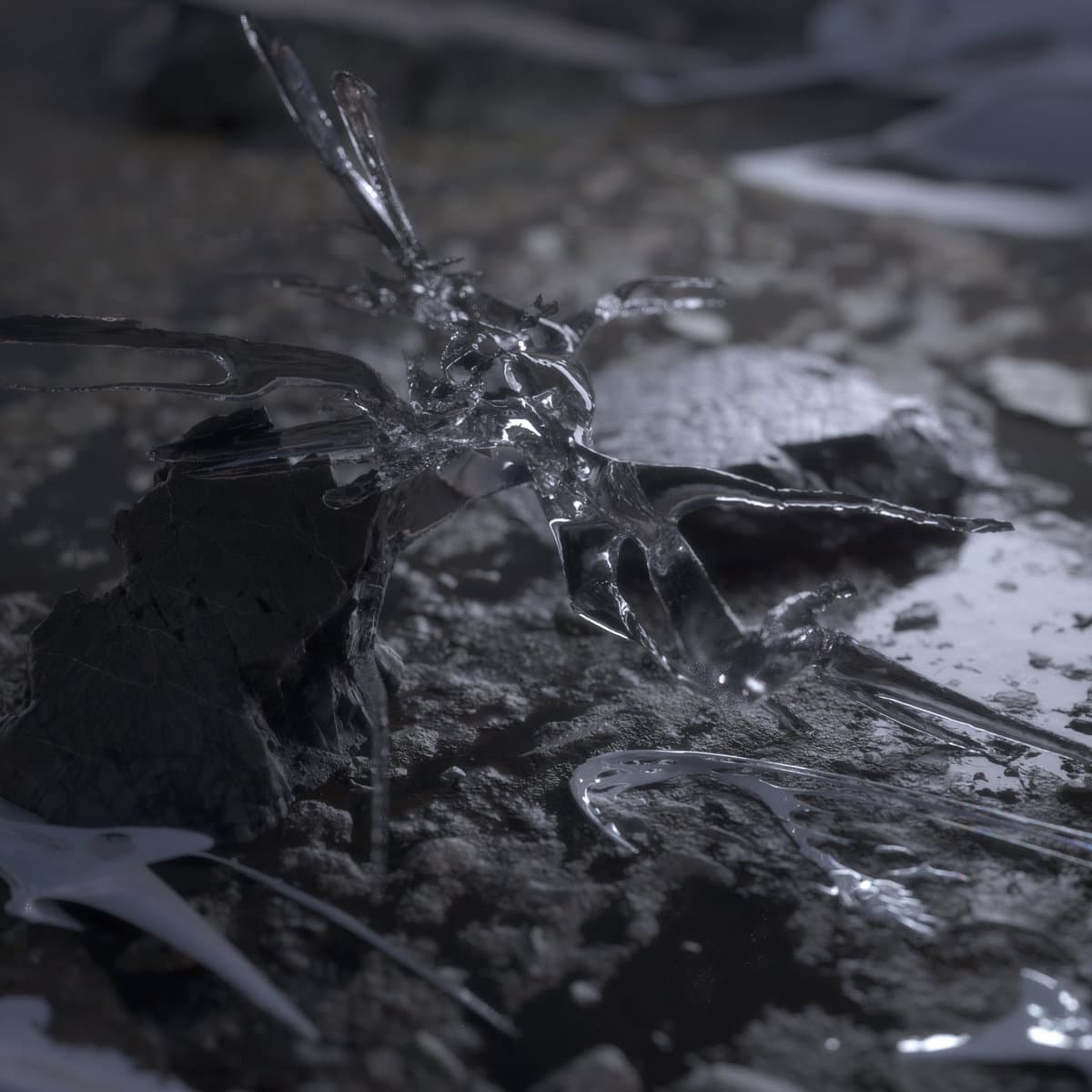
Hypermelancholy
Gustavo Cambareri
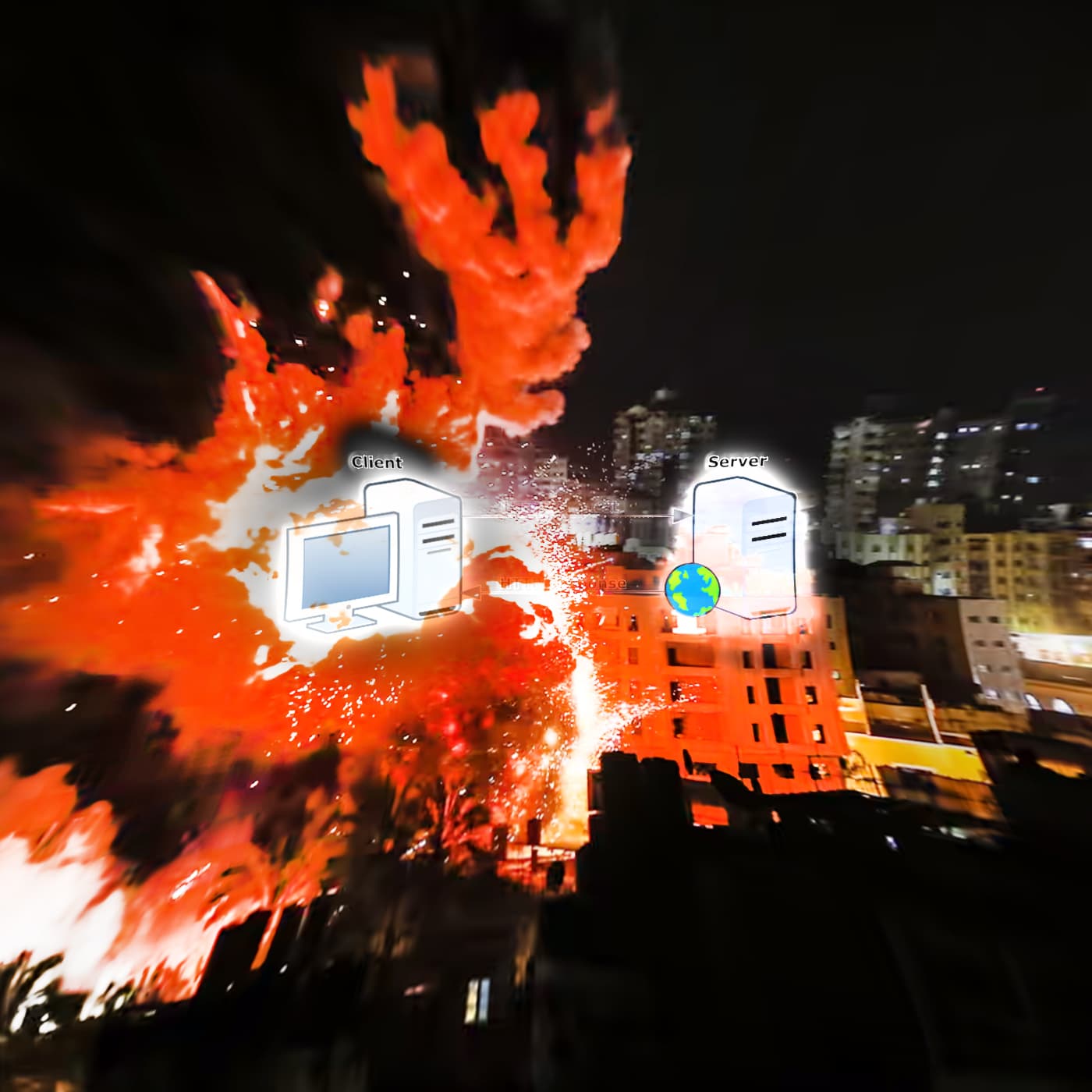
The Desintegration News
Gustavo Cambareri